Rights mapping
Identifies which laws and articles apply to the situation described by the user, with accessible language and verifiable public references.
DIGITAL LEGAL GUIDANCE
An initial legal guidance tool for end consumers — helps organize information, identify applicable laws and understand where to seek help before consulting a lawyer or competent authority. Does not replace a lawyer or file legal actions.
OVERVIEW
Digital Legal Guidance was born from the observation that most people do not know their rights, where to seek help or how to organize information before a legal consultation. The tool solves this with accessible language, public legal databases and applied AI.
Identifies which laws and articles apply to the situation described by the user, with accessible language and verifiable public references.
Explains where to seek help — consumer protection agencies, public defenders, small claims courts — and how to structure a demand before formal assistance.
Helps citizens gather documents, protocols and relevant facts in an organized way before consulting a lawyer or competent authority.
Translates legal terms into clear language, allowing anyone to understand their rights and possible next steps without legal training.
Who it serves
Consumers who need to understand their rights, organize information and identify pathways before seeking formal legal assistance.
Product type
Commercial product from 33 Digital — part of the Legal Tech portfolio with AI applied to real problems of access to legal information.
VISUAL DEMONSTRATION
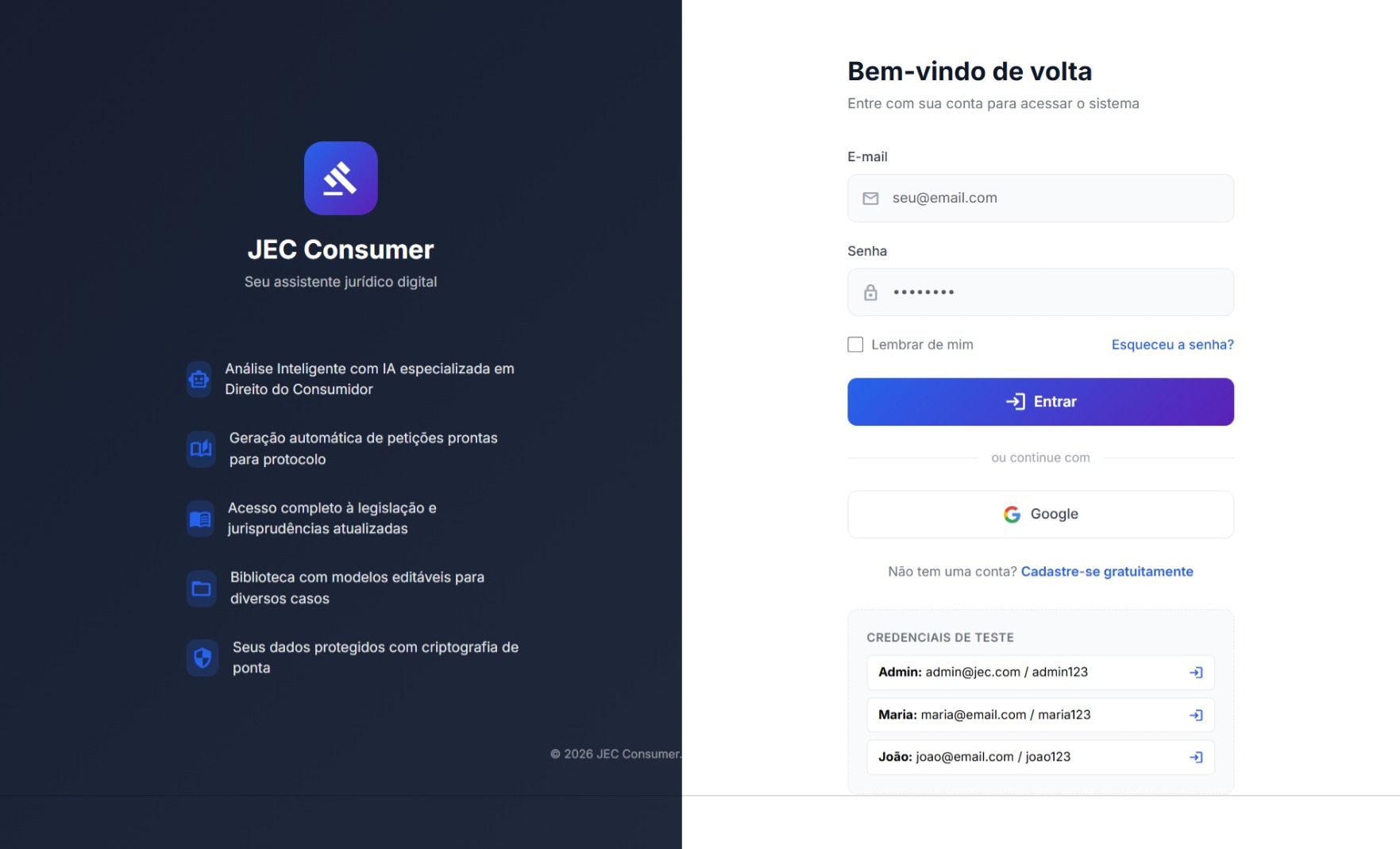
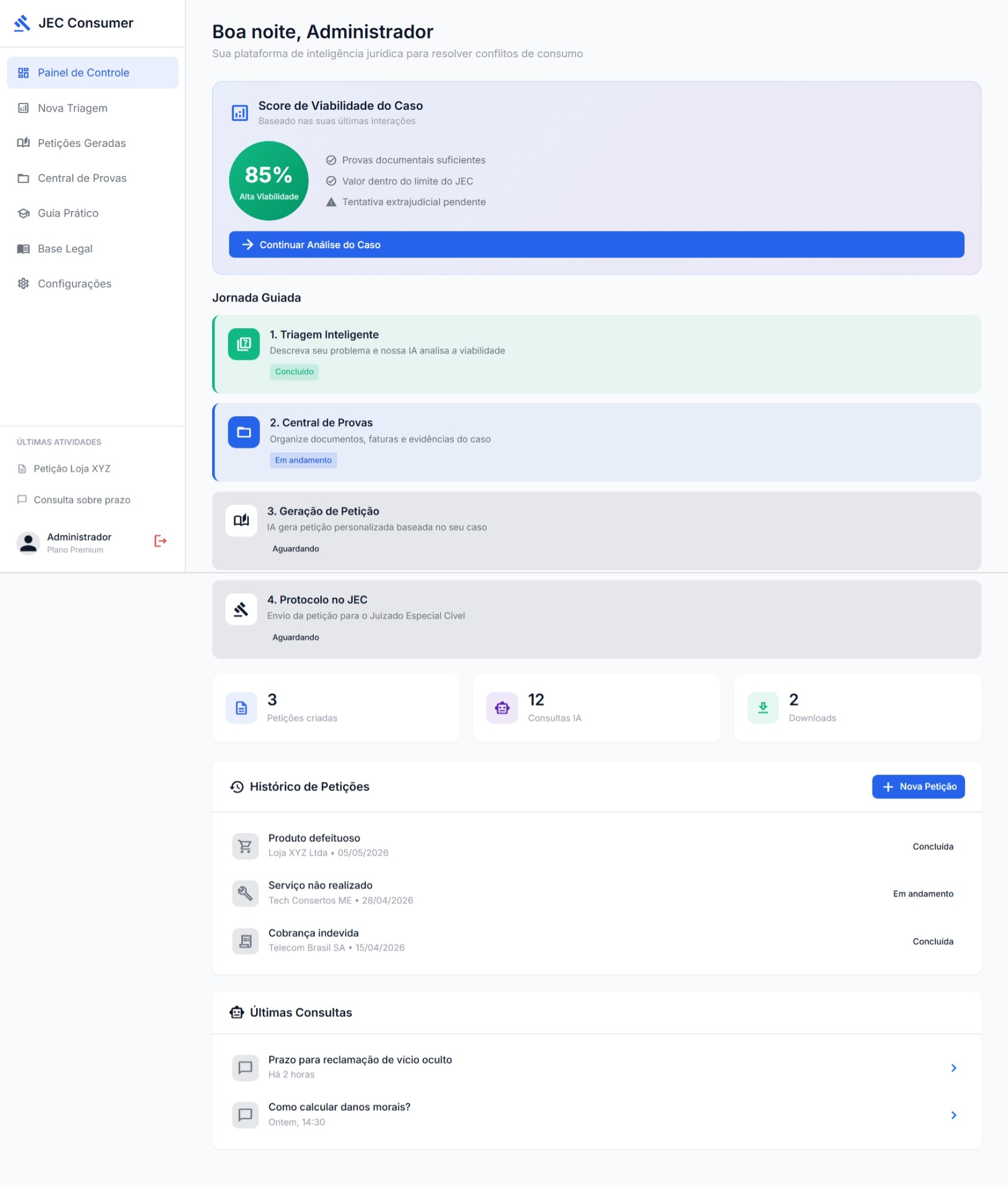
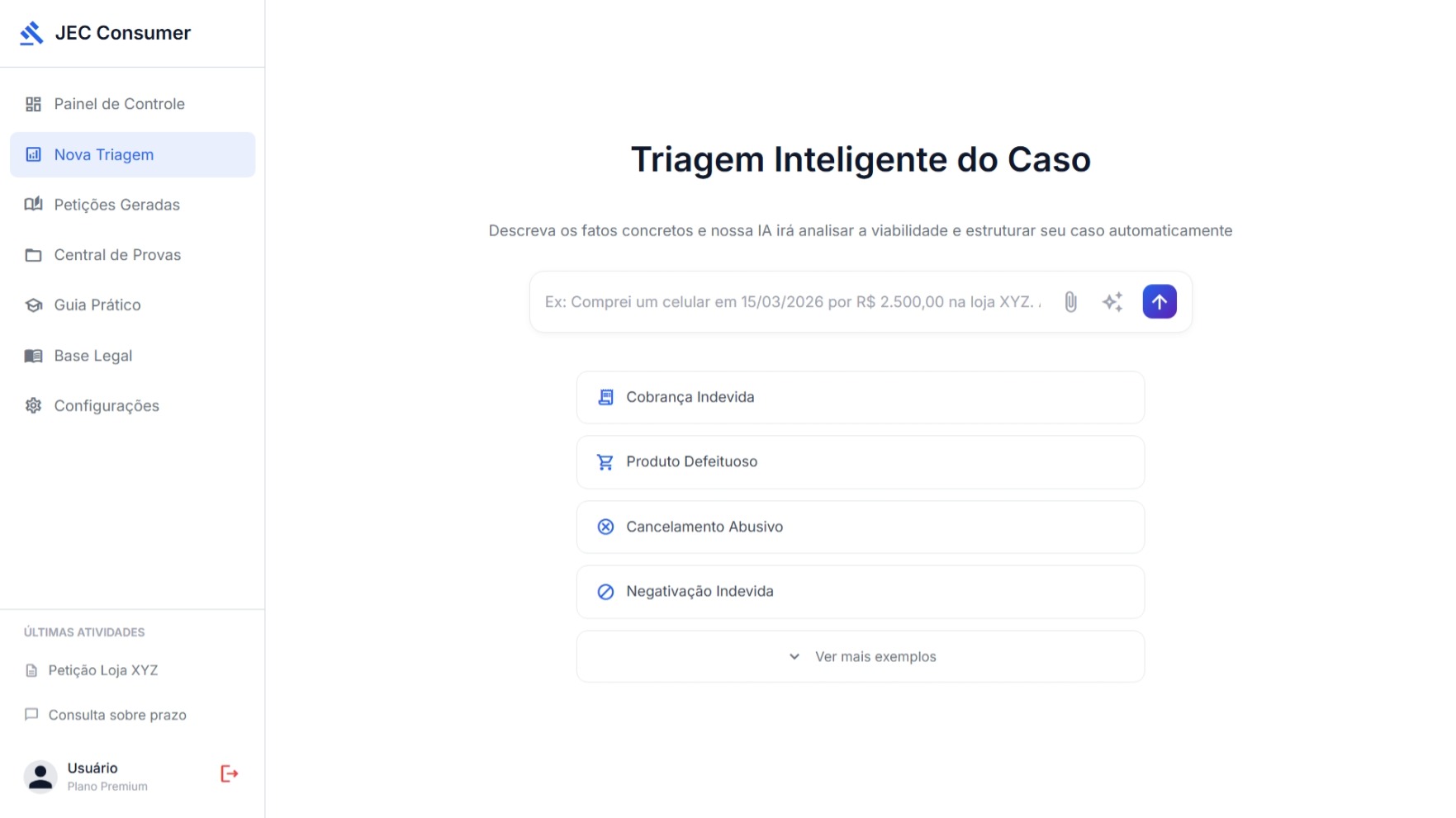
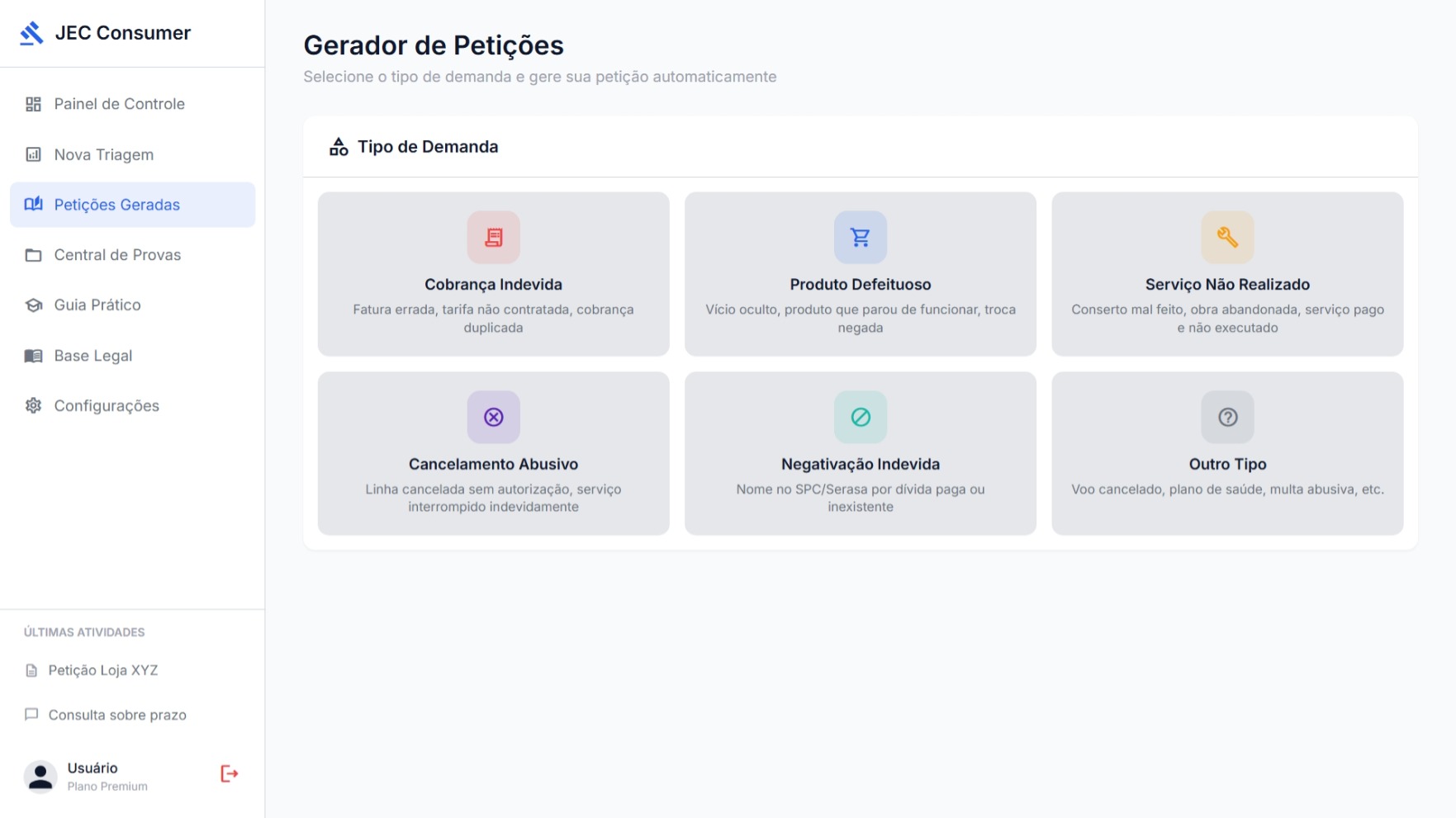
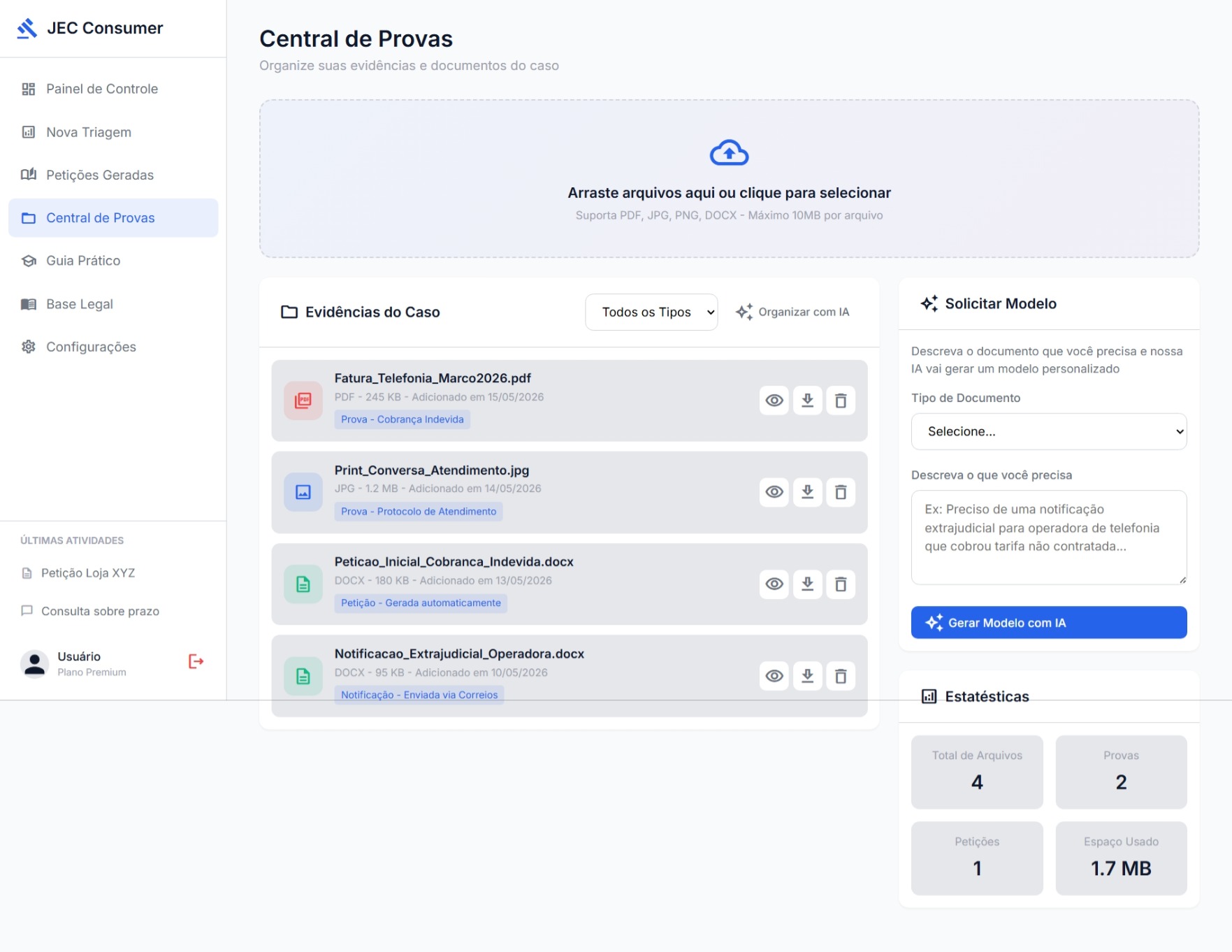
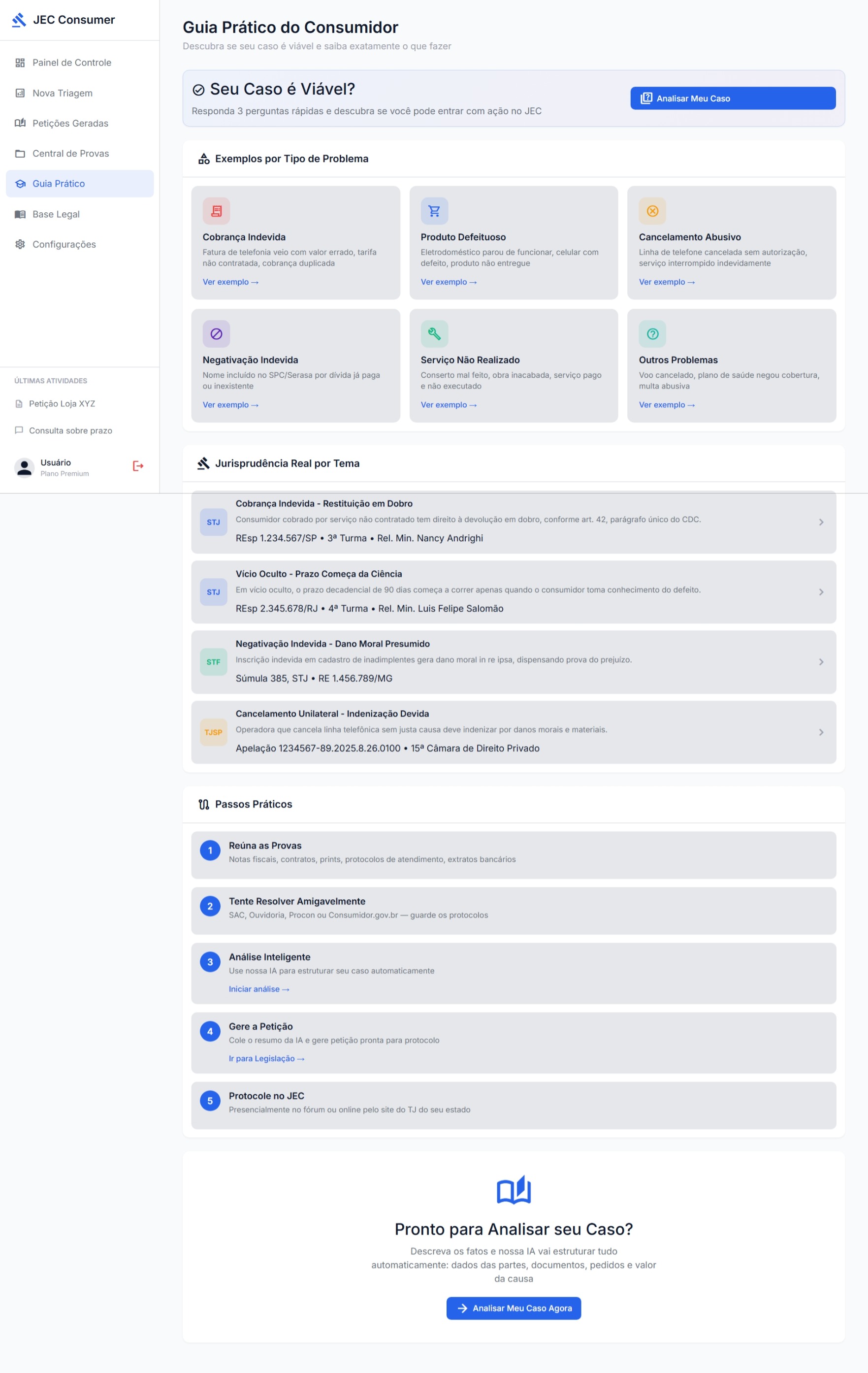
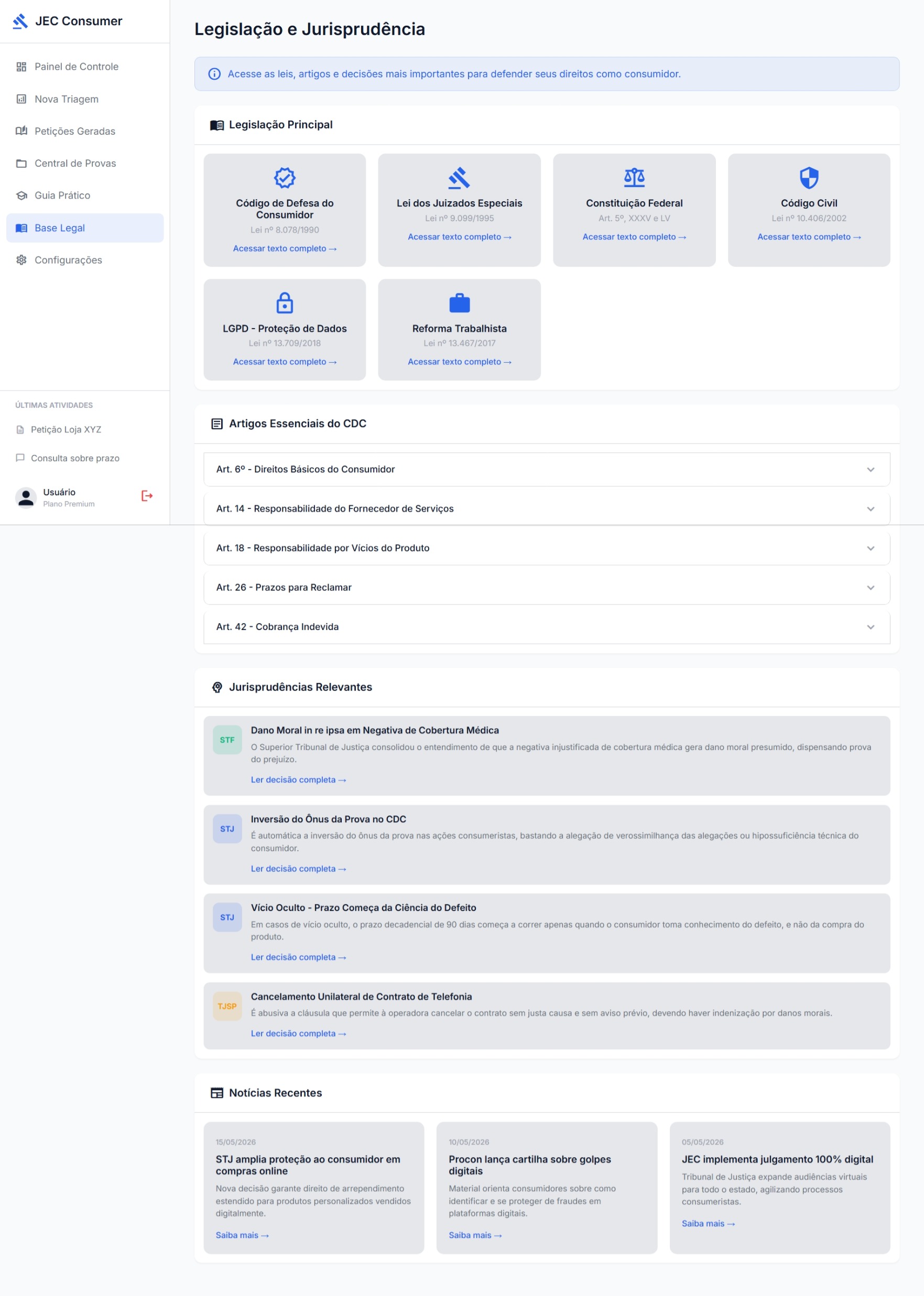
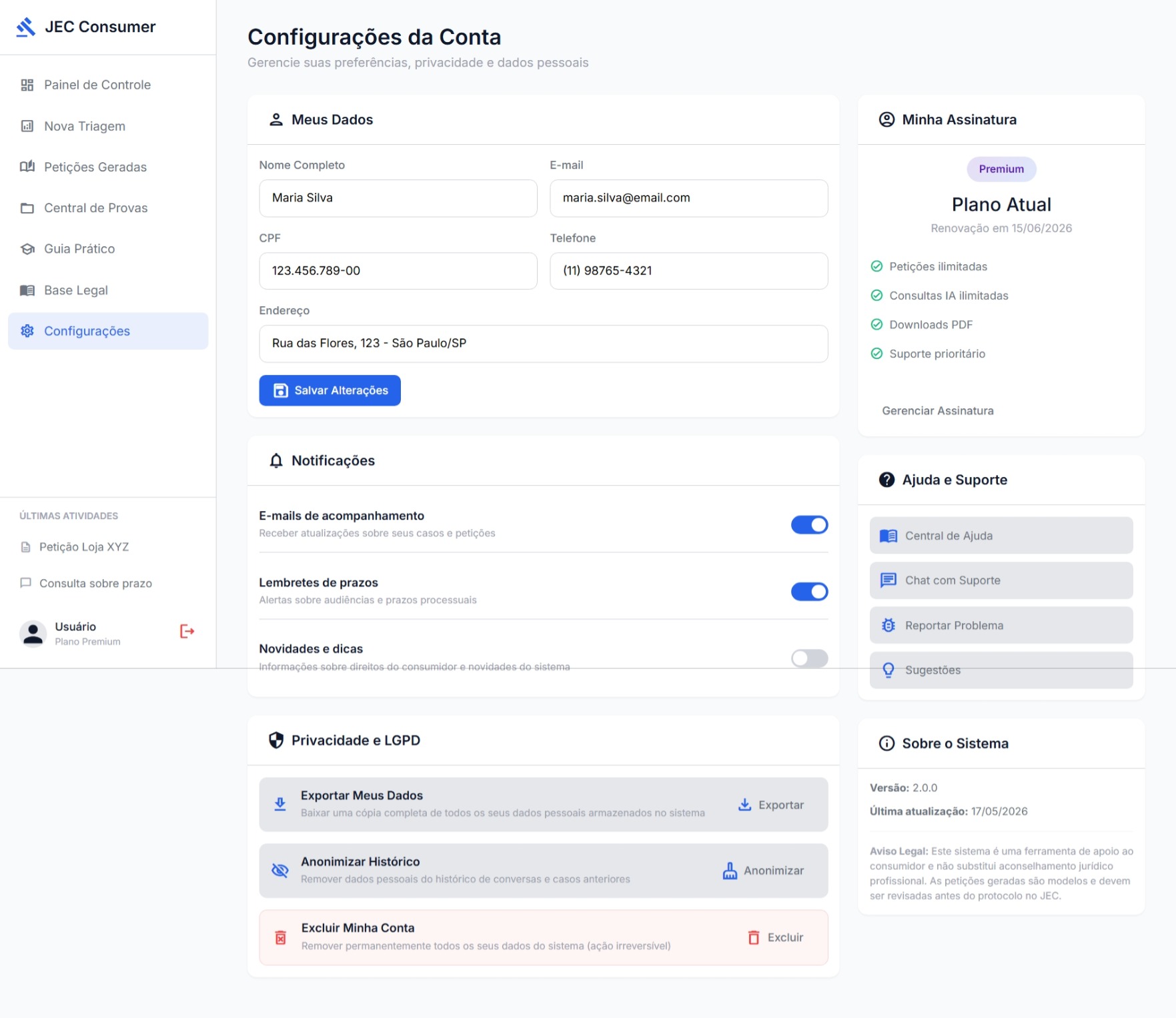
The screens below show the main features of Digital Legal Guidance across 8 modules. Click each item to expand.
CAPABILITIES
Each module was designed to reduce the distance between citizens and understanding of their rights — without creating false expectations about legal outcomes.
Identifies which laws and articles apply to the situation described by the user, with accessible language and verifiable public references from Brazilian consumer, labor and civil law.
Explains where to seek help — consumer protection agencies (Procon), public defenders, small claims courts, public prosecutors — and how to structure a demand before formal assistance.
Helps citizens gather documents, protocols, dates and relevant facts in an organized way before consulting a lawyer or competent authority.
Allows creating and tracking cases with fact history, attached documents and identified legal references for each situation.
Public legislation database, case law and verifiable references to support understanding of the user's legal situation.
Structure templates for organizing demands, complaints and requests before formal assistance — without replacing elaboration by a qualified professional.
Translates legal terms into clear and objective language, allowing anyone to understand their rights without prior legal training.
Artificial intelligence connected to the public legal database to identify relevant references, suggest pathways and organize context based on the described situation.
Accessible legal information is not legal advice. It is the first step for those who do not know where to begin.
IMPORTANT LIMITS
Clarity about limits is part of responsible design. Digital Legal Guidance was built to inform and organize, not to replace qualified professionals or competent authorities.
The tool does not provide legal representation, does not issue technical opinions and does not replace consultation with a qualified legal professional. For legal actions, a lawyer is essential.
Does not predict case outcomes, does not guarantee success in legal actions and does not constitute legal advice. Information is informational and educational in nature.
Does not automatically file lawsuits, does not interact directly with court systems, consumer protection agencies or any official body.
Does not replace consumer protection agencies, public defenders, public prosecutors, courts or formal channels for complaints, reports and consumer protection.
Official channels (Brazil): Procon (156 or state Procon website) · Public Defender's Office · Small Claims Court · consumidor.gov.br · Public Prosecutor's Office.
Legal representation: for legal actions, consult a qualified lawyer or the Public Defender's Office if you cannot afford private legal counsel.
TECHNOLOGY AND PARTNERSHIP
Digital Legal Guidance is a commercial product from 33 Digital — available for partnership, licensing or adaptation for specific contexts such as law firms, consumer platforms, fintechs and access-to-justice institutions.
Modern interface with AI integration for identifying legal references, organizing context and providing personalized guidance.
Storage, organization and linking of documents to cases with access control and change history.
Integration with public legislation databases, case law and verifiable references to support rights mapping.
Data structure designed to organize cases, facts, documents and references in a traceable and auditable way.
Data processed with security, encryption and LGPD compliance to protect sensitive user information.
Cloud infrastructure with scalability, backup and availability to support continuous operation and growth.
Commercial partnership: Digital Legal Guidance can be adapted for law firms, consumer platforms, fintechs, insurers and institutions that need to offer initial legal guidance at scale.
Value Assessment: the process begins with a strategic fit analysis before any formal proposal.
COMMERCIAL PORTFOLIO
Together with Digital Agents, Digital Loan and Cloud Digital, it forms 33 Digital's commercial vertical — tools that prove capability in applied AI, automation and data.
Demo
For companies, law firms, platforms and institutions that want to see the tool in operation.
Application
Selected intention: Institutional assessment.
Non-Substitution Notice
Digital Legal Guidance has an informational and educational purpose. It does not constitute legal advice, technical opinion, promise of results or replacement of a lawyer, public defender, consumer protection agency, court, public prosecutor's office, judiciary or any competent authority.
33 Digital builds technology to expand access, organization and context, but no system should be used as the sole source for decisions that may affect a person's rights, security, property, physical integrity, health or freedom.